

A practical guide / Fonix.AI
AI missed-call follow-up: recover an enquiry without duplicate outreach
Workflows, exceptions and the questions to ask before deployment.
A callback should recover the enquiry
AI missed-call follow-up returns an unanswered inbound business call, clarifies the caller's request and gives it a responsible destination. The result might be an answered question, a booked conversation or an owned callback. The useful unit is the recovered enquiry, not the number of return calls placed.
This guide concerns callbacks to missed inbound calls. It is different from a missed-call marketing service in which someone deliberately rings a number to trigger a campaign, and from live reception that answers the original call. The clinic receptionist guide covers live clinic enquiries.
Fonix.AI supports inbound and outbound business conversations. Evaluate the return call together with your number routing, carrier events and CRM process. Confirm that the required event feed and callback routing are available for your setup.
Wait for the final call outcome
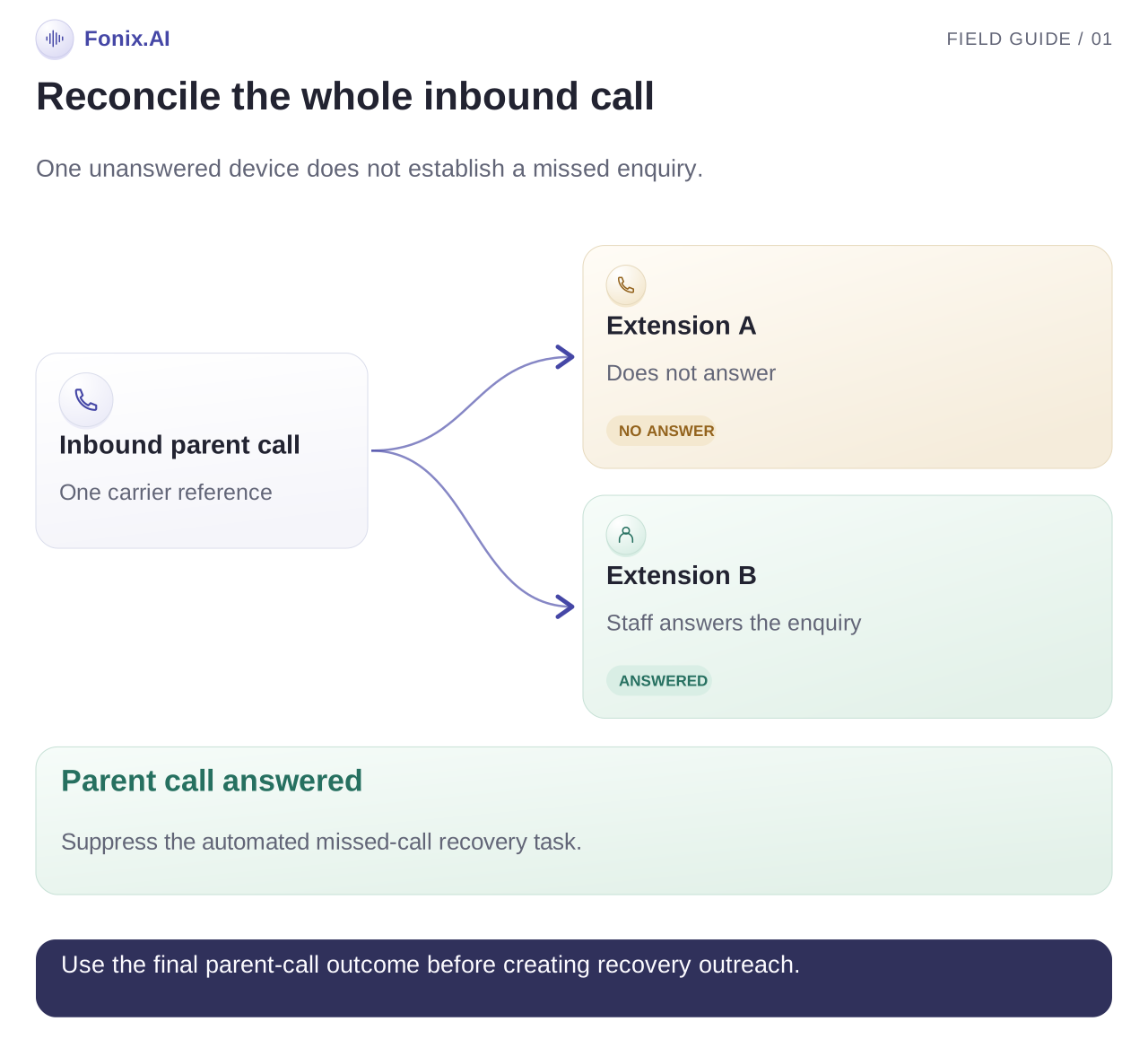
One inbound attempt may ring several staff devices or queue destinations. A device's unanswered event does not prove that the business missed the call; another extension may have answered it.
Resolve the final outcome for the parent call, retaining the carrier call reference, business number, timestamp, route and relevant child legs. Distinguish answered, caller-abandoned, failed, voicemail and unknown states according to the evidence your provider supplies.
Decide which states are eligible for a return call. A technical failure with no usable caller number requires a different response from an unanswered enquiry. With withheld or invalid caller identity, do not manufacture a number from unrelated records.
Define how long your event-reconciliation process needs to establish a final outcome. If late events are common, let the workflow reconcile them before dialling rather than treat an early ring timeout as conclusive.
Deduplicate callbacks against later contact
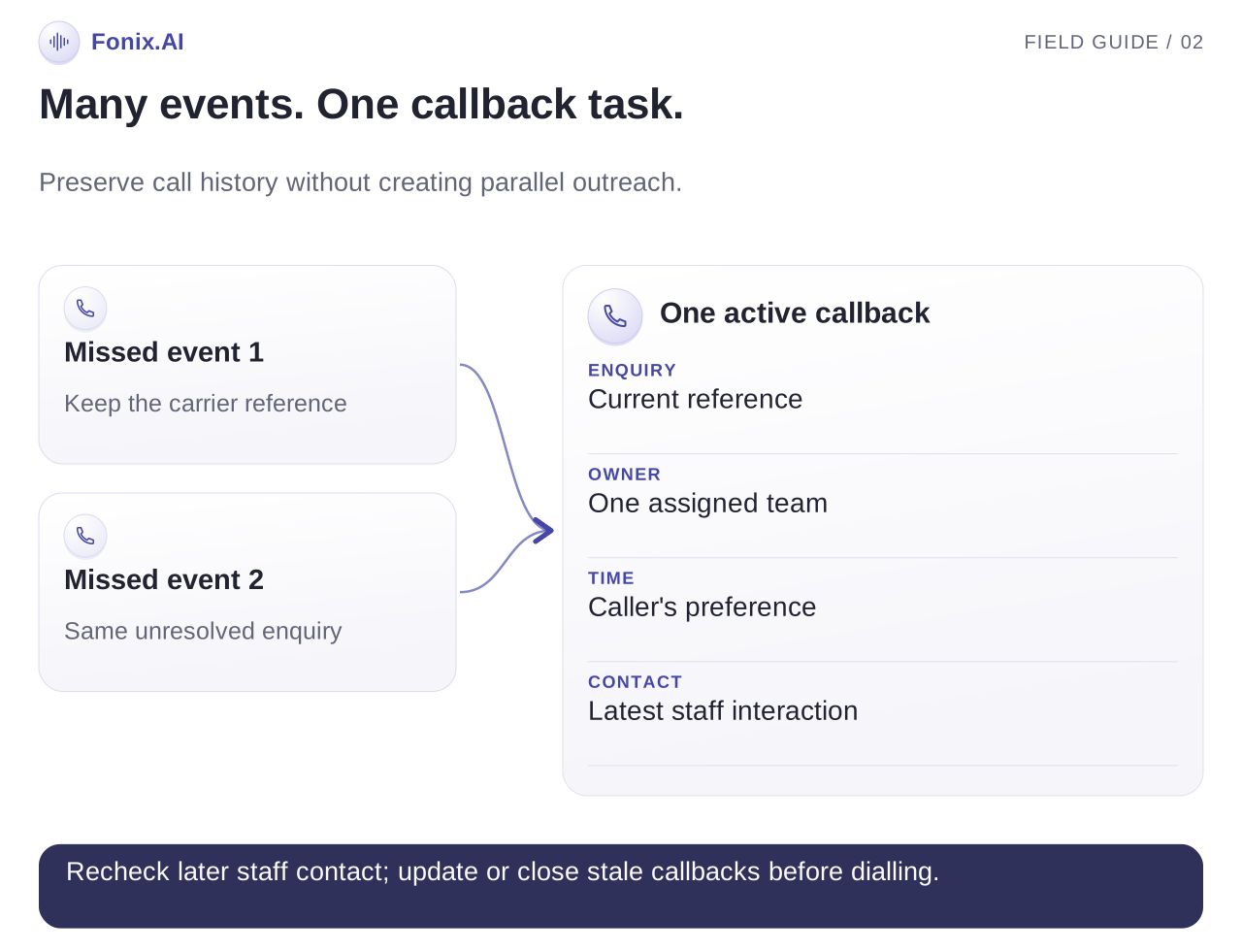
Several missed calls from the same person may concern one enquiry. Preserve their history while creating only the number of active tasks justified by your policy. A telephone number is an input to identity resolution, not proof that every caller has the same request.
Before returning a call, check whether staff spoke to the person, another callback is active or the caller requested a specific time. A manual contact after the missed event should close or update the recovery task through your agreed ownership rules.
| Current evidence | Callback decision |
|---|---|
| Parent call was answered on another extension | Suppress the missed-call recovery task |
| Caller rang twice for the same open enquiry | Preserve both events; use one active task |
| Staff already returned the call | Respect the latest contact and assigned owner |
| Caller requested tomorrow morning | Keep one requested callback and recheck state then |
| A different enquiry is active on the same number | Resolve the request before merging |
| Final call state is still unknown | Hold or assign review rather than assume it was missed |
Use a task state that can be claimed by one responsible worker. The exact implementation depends on your systems, but the business requirement is simple: two workers should not independently consider the same callback theirs.
Return the call with appropriate context
Identify the business and automated assistant, mention the inbound call and ask whether it is a suitable time. Avoid inventing what the person wanted when the original call contained no conversation.
Ask for the request in the caller's words. Use the dialled business number or branch only where it reliably identifies context. An enquiry to a general switchboard should not be treated as a sales lead without clarification.
If the caller wants a person, use an available transfer destination or create an owned callback. If the request is about an existing order, account or appointment, follow the relevant verification process before private lookups.
Keep callback activity separate from the outcome. “Connected” means someone answered; “resolved” requires evidence that the question was answered or the agreed next step was completed.
A worked missed-call recovery
This fictional example starts with a reconciled unanswered call to a business enquiry number.
Assistant: Hello, this is the automated assistant for Elm Services. We missed a call to our business number earlier. Is now a suitable time to help?
Caller: I wanted to ask about your maintenance plan, but I spoke to Anil after that.
Assistant: Thank you. I will record that Anil has already contacted you. Do you need another follow-up, or should that conversation continue with him?
Caller: Continue with him. No extra call needed.
The useful outcome is an updated owner and a stopped recovery sequence. Continuing a fresh qualification script would be a failure even though it might produce another connected call.
Suggested fields include parent call reference, final inbound state, enquiry reference, latest contact, task owner, requested callback time, spoken request and final next step. These are design suggestions rather than a Fonix API schema.
Set retries and escalation around current state
Apply the approved attempt and contact-preference rules after no answer. Recheck later contact before every attempt. A retry should update the existing recovery task, not recreate it without history.
If the caller asks for a later time, record that preference separately from a confirmed appointment. If a transfer fails, create a receiving task and explain the accurate next step. An unsuccessful transfer must not mark the enquiry resolved.
Review callers who repeatedly return to the queue. The issue may be an unavailable team, incorrect routing or a task nobody accepted. More automated retries cannot repair missing ownership.
Measure recovered enquiries and duplicate outreach
Count eligible missed enquiries, useful return conversations, accepted handoffs and resolved tasks for the same cohort. Distinguish repeated inbound events from unique enquiries so the denominator does not reward several attempts from one frustrated caller.
Measure elapsed time from the original missed call to a useful conversation and then to resolution. Report open tasks and their age. A fast automatic dial can coexist with a slow handoff.
Track calls placed after staff contact, concurrent callback tasks, failed transfers and unnecessary repeat attempts. Review a sample of parent/child carrier events to confirm that apparently missed calls were actually unanswered.
Test your number routing in the demo
Bring a masked call-event sequence, extension routing, ownership rules and callback timing policy. Ask to see a call answered on a second extension, two missed attempts for one enquiry and a staff callback before the scheduled automated attempt.
Use the lead qualification guide when a recovered request needs sales discovery, and the conversational IVR guide to review the original inbound route. Request a missed-call flow review to test recovery against your actual events.